



by Anya Hulse
Sustainability: The Equivalent to Quality Living
When I first started studying interior design, sustainability was something I associated with recycled materials, energy efficiency, and checking the right boxes on a project. It felt like one more thing to consider when making design decisions. The further I get into design, the more I realize sustainability is much more personal than that.
To me, sustainability is starting to feel less like a design strategy and more like a quality-of life strategy.
Think about the spaces you spend the most time in. What makes you actually enjoy being there? Maybe it’s the natural light in the morning, a comfortable chair you’ve had for years, or a room that feels connected to the outdoors. These things may not immediately come to mind when we hear the word “sustainable,” but they are all examples of thoughtful, lasting design.
As designers, we have the opportunity to create spaces that people don’t feel the need to constantly change.
Designing for Longevity
One of the biggest ways I have personally experienced the importance of sustainability is in my own home.
For a while, I was constantly redoing my space. I would order something from Amazon thinking, “This will finally make my room feel finished.” A few weeks later, I would decide I didn’t like it anymore and start the process all over again.
As an interior designer, I think I put a lot of pressure on myself to have a perfectly designed space. I was constantly surrounded by beautiful interiors, new products, and new trends. It became easy to think my space needed to change every time I found something I liked.
Eventually, I realized I wasn’t really designing my space. I was constantly shopping for it.
That changed the way I think about longevity. Instead of asking, “What do I want my space to look like right now?” I started asking, “What do I actually love, and what do I want to live with for a long time?” I began choosing pieces that felt personal to me rather than things that simply looked good in the moment.
Sometimes, the most sustainable choice is to stop buying and give yourself time to live in a space.
Sustainability You Can Feel
Sustainability also has a lot to do with how a space makes us feel.
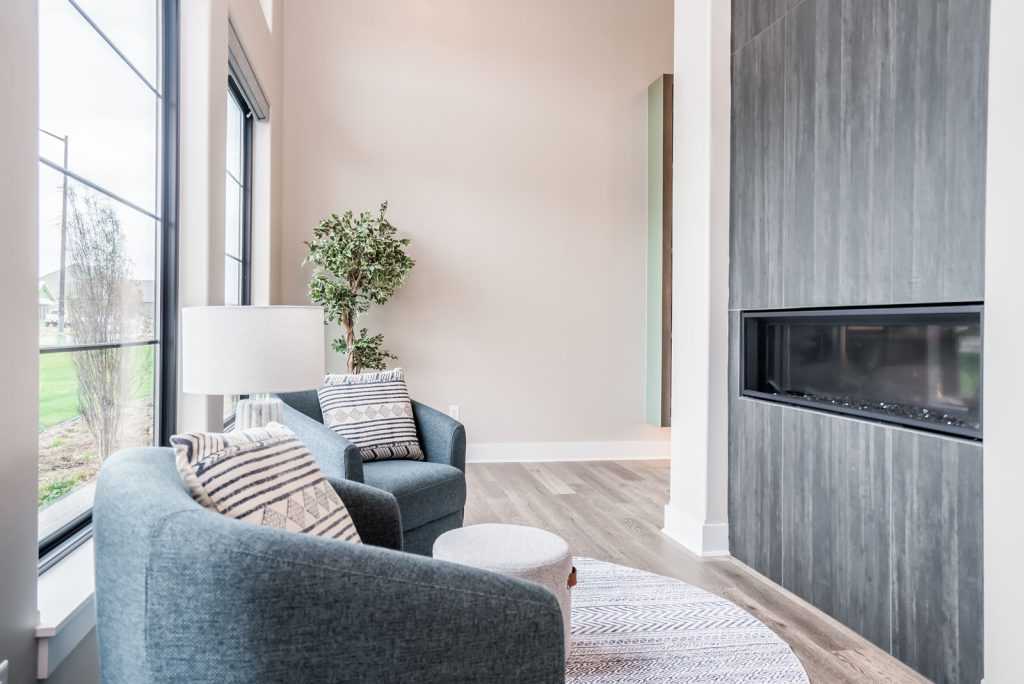
Natural light, views to the outdoors, natural materials, plants, comfortable acoustics, and good indoor air quality all influence our experience of a space. As interior designers, we aren’t just selecting products.
We are shaping the environments people experience every day.
For me, the goal is to make sustainability feel effortless. You shouldn’t necessarily walk into a room and think, “Wow, this is sustainable.” Instead, you should think, “I really like being here.”
The sustainable decisions can work quietly in the background while making the space more comfortable, functional, and enjoyable.
Making Better Choices
Sustainability doesn’t have to mean completely rethinking the way we design. Sometimes, it is simply about being more intentional.
Can we reuse something instead of replacing it? Can we choose a material that will hold up for years? Can we choose quality over something inexpensive that will need to be replaced sooner?
Not every project will allow us to make every sustainable choice, and that’s okay. I don’t think sustainability is an all-or-nothing concept. I think it is about asking better questions.
Where did this material come from? How long will it last? How will it age? Will the client still love it years from now?
Those questions have changed the way I look at design.
Designing for People, Not Just Projects
Ultimately, I think sustainability comes down to caring about what happens after we finish the project.
It’s easy to focus on the final image, the beautiful rendering, the perfect material palette, or the finished space. But the real success of a project happens when people begin using it.
If a space supports someone’s well-being, lasts for years, and remains something they genuinely enjoy being in, that feels like sustainable design to me.
Sustainability isn’t just about using less. It’s about creating better.
Better materials. Better spaces. Better experiences. And ultimately, a better quality of life.
When we design with intention, longevity, and people in mind, we aren’t just creating spaces for today. We are creating spaces worth keeping.