



by Rachel Thomas-Murphy
We spend so much of our time talking about wellness as if it only lives in our bodies.
Nutrition. Exercise. Sleep. Therapy. Connection.
But we rarely talk about the fact that we are constantly being shaped by the environments we exist inside of.
Your home is not neutral.
Your office is not neutral.
The spaces you spend your life in are either supporting your nervous system or quietly working against it.
Most people can feel this intuitively.
You walk into one space and immediately exhale. Another space leaves you overstimulated, anxious, distracted, exhausted, or emotionally flat and you can’t fully explain why.
That’s because design isn’t just visual. It’s physical.
Your brain is constantly processing:
Lighting
Clutter
Acoustics
Textures
Color
Air quality
Scale
Organization
Connection to nature
Visual load
Sensory Overload
And over time, those things affect your stress levels, focus, sleep, creativity, mood, and even relationships.
The good news is this:
Creating a healthier environment does not require a full renovation or a luxury budget.
Small changes can create meaningful shifts.
Here are a few ways to make your home or office work for you instead of against you:
Bring Nature Inside
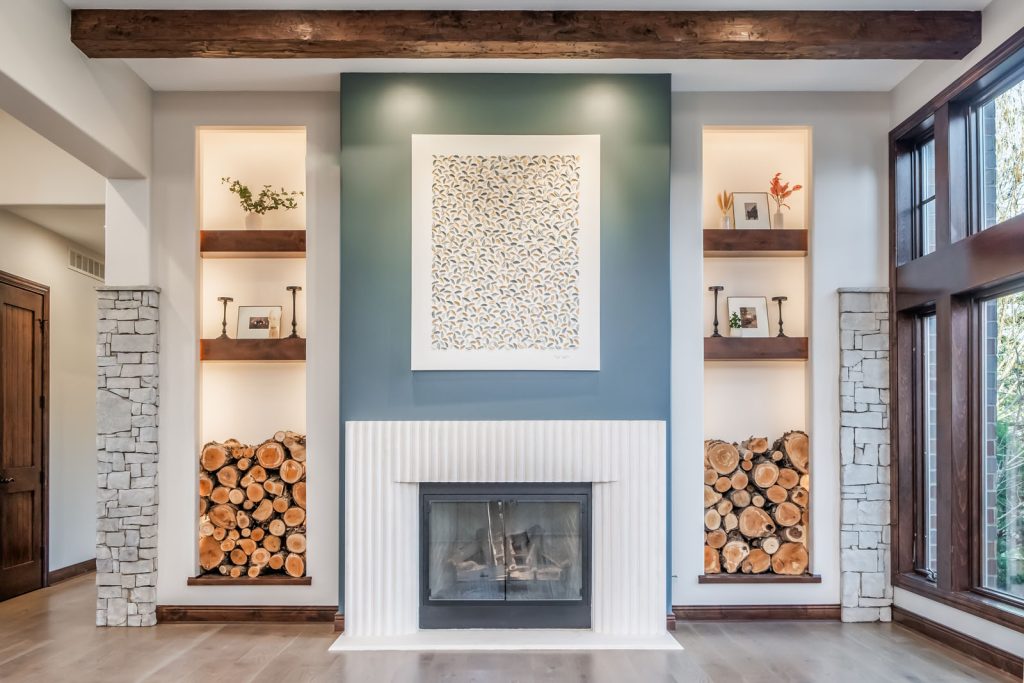
Humans are biologically wired to respond positively to nature. Add plants, natural wood, stone, natural fibers, or even imagery of landscapes and water. Biophillic Design isn’t a trend – it’s a nervous system response. Huge topic, here. I’ll dive deeper into this some other time.
Reduce Visual Noise
Your brain processes everything it sees. Overcrowded surfaces, excessive decor, and constant visual stimulation create low-grade stress. Simplicity creates clarity. As a maximalist, this one is hard for me. I love to see patterns, textures, and colors. A good maximalist designer creates emotional immersion, not confusion. Simplicity does not mean white walls, minimal decor, and no personality. But that’s a whole different blog post. Maybe I’ll write about that one later, too.
Prioritize Lighting
Harsh overhead lighting can increase fatigue and stress. Layered lighting with lamps, dimmers, and warm light creates a regulated and calming environment. Take your cues from the sun, too.
Even the sun transitions from light and bright in the morning and fades into a warm glow by the evening. Our bodies naturally follow this light rhythm.
Pay Attention to Sound
Noise impacts the nervous system more than most people realize. Soft materials like acoustic sound board, rugs, upholstery, and drapery help absorb sound and create a sense of calm.
Home is for Restoration
Not every space should feel productive. Some spaces should invite rest, reflection, creativity, and connection. Wellness-centered design is about intentional emotional function. Most of us over function during the day. We are the increasingly exhausted from battling traffic, noise, and workload. Home is the place you go to find peace. This is a non-negotiable.
Use Materials that Feel Good
We are tactile beings. Linen, wood, clay, cotton, leather, and natural textures create warmth and grounding in a way synthetic materials can not.
Let your Space Reflect The Intention of Who You are Becoming
A healthy environment isn’t about perfection or trends. It’s about alignment and intention.
Your space should support the life you are trying to build – not keep you stuck in survival mode.
When I look around my home and office, it’s far from perfect. I wouldn’t even qualify them as “magazine worthy”. But I’m surrounded by paintings that I selected, pictures of adventures I’ve taken and people I love, colors that I’m connected to, and comfortable spaces to fold up with a cup of morning coffee or have a conversation with someone I hold dear. I think I just found another blog post. Phew. I have a lot to write about.
——-
For decades, we’ve treated interior design like a luxury or aesthetic exercise.
I believe the built environment should be a part of our wellness conversation.
Because spaces shape behavior.
Spaces shape emotion.
Spaces shape relationships.
And whether we realize it or not, spaces shape us.
So the question for you is this:
What is your environment teaching your nervous system every single day?