



by Chris Nastars
What if our buildings worked with the environment instead of constantly working against it?
That’s the question at the heart of bioclimatic design. Interior designers don’t just make spaces look pretty.
We can create environments that respond to the people using them, the climate surrounding them, and the resources available to them.
Bioclimatic design is essentially about using the local environment to our advantage. Instead of relying entirely on mechanical systems like heating and air conditioning, we can use passive strategies like natural ventilation, daylighting, shading, thermal mass, and building orientation to help regulate temperature and comfort.
These strategies really don’t require complicated technology, it’s just about paying closer attention to where and how we build.
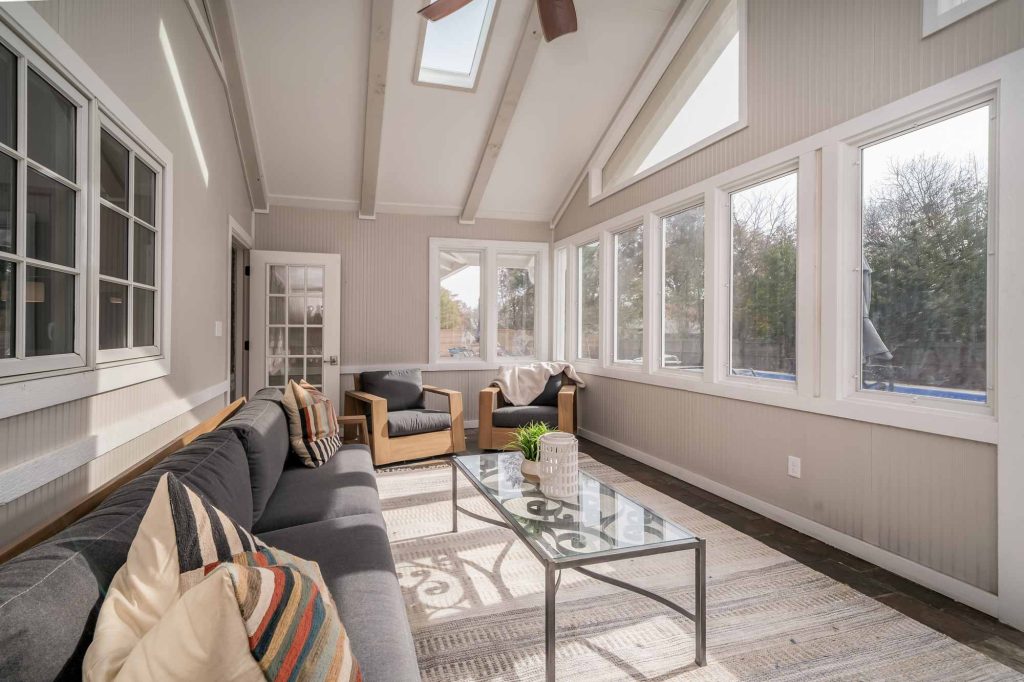
A quick example: think about a house with a large south-facing window. During the winter, sunlight can enter the space and naturally warm the interior. With the right shading, that same window can be protected from excessive heat during the summer. Add operable windows to encourage cross-ventilation, and suddenly the building is doing some of the work that an HVAC system would otherwise have to do.
This way of thinking matters because the spaces we design directly affect the people who occupy them. We spend a huge amount of our lives indoors, so things like air quality, temperature, natural light, and overall comfort can have a significant impact on our health and productivity.
To me, that is what makes bioclimatic design so exciting.
Sustainability doesn’t have to mean sacrificing comfort or creating something complicated. It can mean opening a window, positioning a building thoughtfully, adding shade, or allowing natural light to do its job.
As designers, we have the ability to create spaces that are healthier for people, kinder to the environment, and smarter about the resources they use. Bioclimatic design is one way we can start doing exactly that.
Buildings are constantly exposed to their environments. Why shouldn’t they respond to them?